Thursday, May 29, 2014
Solutions
There are many different ways you can reduce your plastic waste! Many different water bottles and bags are available at an inexpensive price.

Tuesday, May 27, 2014
Week 1 Photos
 |
| 1 week of plastic bags could stretch from one tree to another! |
 |
| 1 week of disposable water bottles |
Week 1
For the first week of my project I used disposable plastics and kept them just to get the full effect of how much we as humans really use. Over the week, I collected an immense number of plastic bags and plastic water bottles. Although it may seem like the easier way of drinking water and carrying groceries etc, I now have plastic bags that I don't know what to do with. I realized how many plastic bags my family throws out every week just because we didn't use reusable bags. Through this week, I learned that having all the plastic bags is a waste and I don't need them past bringing the stuff that I buy home. Normally, I use reusable water bottles because they are easier to fill up and you then do not need to buy a new water bottle everywhere you go. Since this week I used only non reusable plastics, I learned that it is much harder to use the non reusable water bottles than reusable ones. And it is also much more expensive. I found myself buying a new water bottle two or three times a day instead of just being able to refill my reusable bottle. So why don't people use reusable ones? I think that people think it is easier to just be able to buy another water bottle from the vending machine than going and filling it up. But take my word for it, it is much cheaper and easier to refill a reusable one than have to go buy another one every other hour.
So this brings me into week #2. What am I going to do?
Week two is going to be all reusable all the time! Reusable bags & reusable water bottles.
So this brings me into week #2. What am I going to do?
Week two is going to be all reusable all the time! Reusable bags & reusable water bottles.
Harm to Nature
 The Harm to Nature
 Plastic not only harms animals & humans but it harms our natural settings. It harms our ecosystem. Around 4 percent of world oil production is used as a feed stock to make plastics, and a similar amount is consumed as energy in the process. This causes more pollution than humans already do to the air just to be able to have disposable plastic bags and bottles. Plastic buried deep in landfills can leach harmful chemicals that spread into groundwater. This affects the water people drink. Drinking contaminated water can cause many illnesses or having to filter more water can be very expensive. It also ruins the aesthetics of an area. No one wants to see trees lines with plastic bags or garbage's overflowing.
Harm to Marine Life
Marine Life
As plastics enter the ocean or other waterways, there is a chance that marine organisms will ingest them. These plastics can be laced with chemicals that will poison organisms, floating waste can be used as a transportation way for invasive species, & plastics can choke and otherwise harm animals. Since pictures are worth more than words...


As plastics enter the ocean or other waterways, there is a chance that marine organisms will ingest them. These plastics can be laced with chemicals that will poison organisms, floating waste can be used as a transportation way for invasive species, & plastics can choke and otherwise harm animals. Since pictures are worth more than words...
Harm to Marine Life
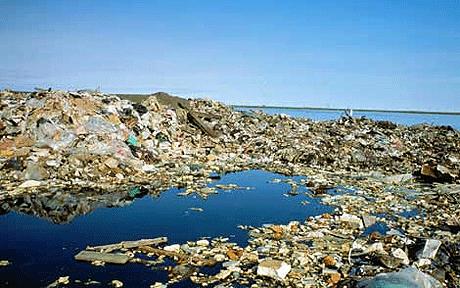 |
| The great pacific garbage patch, (Pacific Trash Vortex) located in central north pacific ocean is bigger than the size of texas. |
Harm to Humans
Human Harm
Although it may seem weird that plastics can be detrimental to humans, they definitely can be! Plastics already have toxins in them that are dangerous, but when they end up in oceans they act like sponges and absorb other chemicals. When fish eat them, they eat all the chemicals which then stay in and build up in them. If they survive, and humans eat them, those chemicals are now in humans. Direct toxicity from plastics comes from lead, cadmium, and mercury. Diethylhexyl phthalate (DEHP) contained in some plastics, is a toxic carcinogen. Other toxins in plastics are directly linked to cancers, birth defects, immune system problems, and childhood developmental issues. BPA is used in many things including plastic bottles and food packaging materials. Over time the polymer chains of BPA break down, and can enter the human body in many ways from drinking contaminated water to eating a fish that is exposed to the broken down toxins. Specifically, BPA is a known chemical that interferes with human hormonal function.
Although it may seem weird that plastics can be detrimental to humans, they definitely can be! Plastics already have toxins in them that are dangerous, but when they end up in oceans they act like sponges and absorb other chemicals. When fish eat them, they eat all the chemicals which then stay in and build up in them. If they survive, and humans eat them, those chemicals are now in humans. Direct toxicity from plastics comes from lead, cadmium, and mercury. Diethylhexyl phthalate (DEHP) contained in some plastics, is a toxic carcinogen. Other toxins in plastics are directly linked to cancers, birth defects, immune system problems, and childhood developmental issues. BPA is used in many things including plastic bottles and food packaging materials. Over time the polymer chains of BPA break down, and can enter the human body in many ways from drinking contaminated water to eating a fish that is exposed to the broken down toxins. Specifically, BPA is a known chemical that interferes with human hormonal function.
Subscribe to:
Posts (Atom)